Wild African Animal Collection: Bold Illustrations for Creative Projects
More Than Just Clip Art: The Soul of This Collection
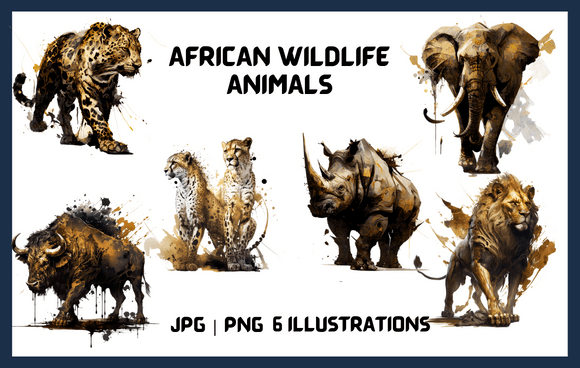
When you think of African wildlife, what comes to mind? Probably the raw, majestic power of a lion’s stare, the elegant silhouette of a giraffe against a sunset, or the playful curiosity of a meerkat. The Wild African Animal Collection isn’t just a set of illustrations; it’s a visual language that captures that untamed spirit. This is a curated set of 6 high-resolution digital print files, designed to bring the drama and beauty of the savanna directly into your creative workflow. Forget flat, lifeless graphics. Each illustration here has personality, texture, and a sense of movement that static clip art often lacks. The style walks a fine line between detailed realism and artistic interpretation, making it versatile enough for a sophisticated brand but engaging enough for personal projects. The backgrounds are intentionally designed to be lovely and unobtrusive, ensuring the animals remain the star of the show while providing a clean, professional foundation for your designs.
Practical Power: Where These Illustrations Truly Shine
As a designer or business owner, you’re not just buying pretty pictures. You’re investing in design assets that solve real problems. Let’s talk application. For brand identity, imagine using a striking elephant illustration as the hero image for a sustainable goods company or a conservation blog. It instantly communicates strength, wisdom, and a connection to nature. In packaging design, a subtle zebra pattern or a bold leopard print derived from these files could create a memorable shelf presence for a coffee brand or a boutique cosmetics line.
The digital realm is where this collection truly excels. As social media graphics, these images stop the scroll. A beautifully composed lion graphic for an Instagram post about leadership, or a whimsical flamingo for a summer campaign, can boost engagement significantly. For web design, they serve as powerful hero images, background textures, or featured icons that break the monotony of stock photography. They’re perfect for creating a cohesive visual theme across a website, from the homepage banner to the “About Us” page. For editorial design, think book covers, magazine spreads, or educational materials where authentic, high-quality imagery is non-negotiable. The commercial license means you can use them in client work, on products for sale, or in marketing materials without second-guessing the legalities.
Beyond the Screen: Tangible Applications
Don’t limit your thinking to digital files. This is a POD (Print-on-Demand) art project ready to happen. The high-resolution PNG and JPG files are perfect for creating stunning wall decor. Imagine a gallery wall in a living room or a motivational piece for a home office featuring a majestic rhino. For office decor, a series of these prints can transform a sterile conference room into a space that feels inspired and alive. They make exceptional gift ideas—a custom-printed tote bag for a nature-loving friend or a set of postcard art for unique stationery. Crafters and hobbyists can use them for scrapbooking, card making, or custom fabric prints. The flexibility is the key; you can resize, alter, and manipulate the images in any design software, making them truly your own.
Integrating the Wild into Your Visual Strategy
Using a thematic illustration collection like this effectively requires a bit of strategy. It’s not about slapping a giraffe on everything. It’s about thoughtful integration. First, consider visual hierarchy. A detailed animal illustration can act as a powerful focal point. Pair it with clean, simple typography—perhaps a modern sans serif font for body text and a complementary serif font for headlines—to let the imagery breathe. The contrast between the organic, natural forms of the animals and the structured geometry of type can create dynamic tension that’s visually appealing.
Think about brand perception. What does the specific animal communicate? A cheetah suggests speed and agility, perfect for a tech startup or a fitness brand. A gorilla conveys community and strength, ideal for a family-oriented business or a team-building consultancy. The overall style of the illustrations—whether they’re more painterly, graphic, or sketch-like—will also influence the brand’s voice. Use them to create consistency across platforms. The same lion illustration used on your website header, your LinkedIn banner, and your business card creates a strong, recognizable visual thread.
Making the Choice: Practical Considerations
Before you dive in, evaluate the fit for your specific project. Does the color palette of the illustrations align with your existing brand identity? While the backgrounds are lovely, can you easily isolate the animals if needed? Test how the files look at the size you intend to use them. A detail that’s stunning on screen might get lost on a small postcard. Experiment with font pairings. A rugged, textured animal illustration might pair beautifully with a sturdy slab serif or a handwritten font that feels organic, but could clash with an overly delicate script font.
Remember, these are digital print files only. This means you need a basic comfort level with design software to get the most out of them. However, that’s also their greatest strength. They are not static. You can change the color tones to match your brand’s hex codes, combine multiple animals into a scene, or use them as a base for more complex illustrations. This level of control is what separates generic clip art from a true creative font… or in this case, a creative asset library. It empowers you to create something unique, not just something that looks like everyone else’s. For entrepreneurs, marketers, and creators who value originality and professional polish, the Wild African Animal Collection is a versatile toolkit waiting to be unleashed. It’s about giving your projects a voice that’s as bold, beautiful, and unforgettable as the animals themselves.