Unleashing Playful Branding with Funny Animal Cartoon Illustration
There is a specific kind of visual language that cuts through the noise of corporate minimalism. It is the language of humor, nostalgia, and character. When you look at a Funny Animal Cartoon Illustration, you aren't just seeing a drawing; you are seeing a personality asset. This particular style of vector art is designed to evoke an immediate emotional response. It is whimsical, often exaggerated, and undeniably charming. For designers and business owners alike, understanding how to leverage this specific aesthetic can be the difference between a brand that feels sterile and one that feels approachable.
The Anatomy of Whimsy: Visual Style and Appeal
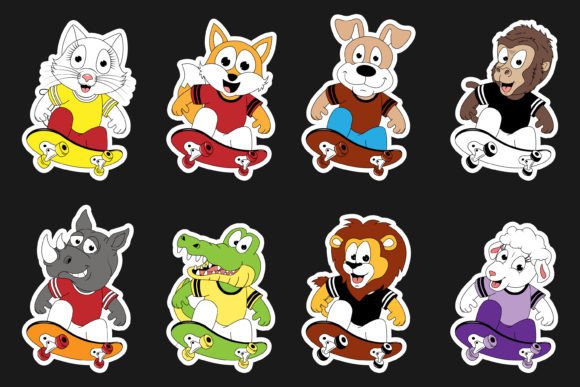
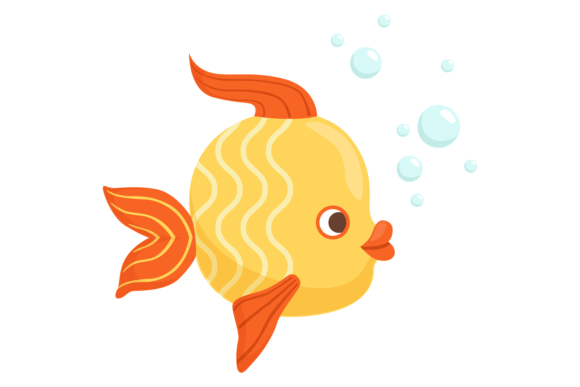
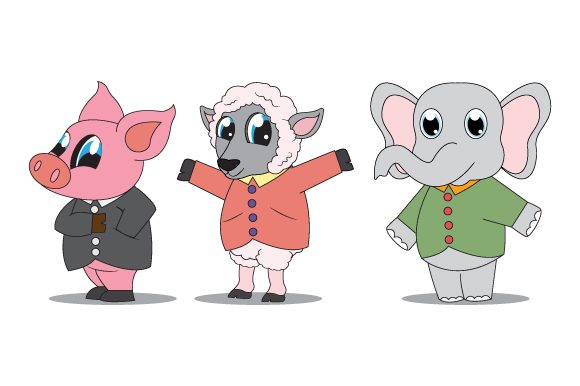
The core of the Funny Animal Cartoon Illustration style lies in its ability to anthropomorphize the mundane. We are talking about animals standing on two legs, wearing oversized glasses, holding coffee cups, or looking bewildered at spreadsheets. Visually, these assets often feature bold, thick outlines, vibrant color palettes, and a lack of rigid geometric perfection. The lines are often slightly wobbly or hand-drawn, which is crucial. That imperfection signals authenticity to the viewer's brain. It tells the audience, "A human made this," which is a powerful psychological trigger in an era of AI-generated content.
From a design perspective, the appeal is versatility. Because the subject matter is animals, it bypasses many of the pitfalls of human-centric stock imagery. You don't have to worry about diversity representation in the same way, nor do you have to worry about fashion trends dating the artwork. A cat in a business suit is timeless. A bear wearing a flannel shirt is universally understood. This allows the Funny Animal Cartoon Illustration to serve as a neutral yet engaging vessel for your message.
Vector Versatility: Leveraging SVG, Ai, and EPS Formats
One of the most practical aspects of working with professional-grade design assets is the file delivery. A high-quality Funny Animal Cartoon Illustration pack typically arrives in a ZIP file containing specific formats that are essential for professional workflows. You will often find SVG 1.1 format, Ai 10 format, and EPS 10 format. Understanding what these do is key to utilizing the art effectively.
The SVG 1.1 format (Scalable Vector Graphics) is the gold standard for modern web design. If you are building a website, creating an interactive infographic, or designing a complex user interface, SVGs are lightweight and infinitely scalable without losing quality. They load faster than raster images and can be manipulated with CSS, making them incredibly dynamic for digital publishers.
For the print world and heavy editing, the Ai 10 format (Adobe Illustrator) and EPS 10 format (Encapsulated PostScript) are your workhorses. These are vector-native files. This means you can take that funny raccoon illustration, scale it up to the size of a billboard, and the edges will remain razor-sharp. You can edit the anchor points, change the color of the raccoon’s hat, or isolate specific elements. Whether you are doing packaging design, large-format printing, or intricate logo design, having access to these editable vectors ensures your brand identity remains consistent across all mediums.
Strategic Applications: Where the Fun Meets the Functional
Where does a Funny Animal Cartoon Illustration actually belong? It is not for every project, but for the right project, it is a goldmine. Here is how different audiences can leverage this style.
For Branding and Entrepreneurs
If you are launching a startup, particularly in the tech, education, or lifestyle sectors, you want to appear friendly and trustworthy. Large corporations often struggle to appear human. A Funny Animal Cartoon Illustration can serve as a mascot or a recurring visual motif in your brand identity. It softens the hard edges of commerce. Imagine a fintech app using a wise owl to guide users through budgeting. It reduces user anxiety and increases engagement. It turns a dry subject into a relatable narrative.
For Content Creators and Publishers
Bloggers and magazine editors know that a wall of text is a reader’s worst enemy. You need visual breaks. Using a Funny Animal Cartoon Illustration as a spot illustration—those small graphics that sit in the margins or break up columns—adds personality to editorial design. It signals to the reader that the content is curated and fun. For social media managers, these illustrations are perfect for Instagram carousels or Twitter threads. They stop the scroll because they are unexpected and delightful.
For Packaging and Product Design
Walk down a grocery aisle and look at the craft beer section or the snack aisle. You will see a surge in funny animal cartoons. Why? Because they stand out. If you are a small business owner selling hot sauce, honey, or pet supplies, utilizing a character-driven illustration can create an instant shelf presence. It communicates the flavor of the brand before the customer even reads the label.
Design Mechanics: Hierarchy, Pairing, and Readability
Using a creative font or illustration style requires a bit of technical discipline to ensure it doesn't become chaotic. The goal is to maintain visual hierarchy.
When you introduce a Funny Animal Cartoon Illustration, you are introducing a high-visual-weight element. This means your typography needs to balance it. If your illustration is busy and colorful, your text should likely be cleaner. A common mistake is pairing a whimsical illustration with a handwritten font or a highly decorative script font. This creates a "visual muddle" where the eye doesn't know where to land.
Instead, consider pairing your cartoon assets with a sturdy sans serif font or a clean serif font. This contrast—often called a "high-low" pairing—allows the illustration to be the "fun" element while the typography remains the "functional" element. This ensures readability is never compromised. You want your audience to laugh at the bear, but they also need to be able to read your shipping policy or your blog post without squinting.
Evaluating and Implementing the Asset
Before you integrate a Funny Animal Cartoon Illustration into your next project, run through a quick professional checklist. This is standard practice for experienced designers and brand strategists.
- Scalability Check: Open the file and zoom in to 400%. Because these are vectors (SVG, Ai, EPS), the lines should remain crisp. If they look pixelated, you might have a low-resolution raster image masquerading as a vector.
- Color Mode: Check if the colors are in RGB (for web/screens) or CMYK (for print). Professional assets usually provide both or allow for easy conversion, but it is vital to check so your printed brochures don't look dull compared to your website banner.
- Layer Management: Open the Ai 10 format file. Are the layers named? Can you easily separate the animal from the background? Good file organization saves you hours of billable time.
- Commercial Licensing: This is non-negotiable. If you are using this for a client, a product for sale, or a marketing campaign, you need a commercial license. "Free for personal use" does not cover a t-shirt you intend to sell on Etsy.
Building a Cohesive Visual Language
The ultimate goal of using a Funny Animal Cartoon Illustration is consistency. If you use a cat on your homepage, a dog on your "About Us" page, and a horse in your newsletter without a connecting stylistic thread, your brand will look disjointed.
Treat these illustrations as a system. They should share line weights, color palettes, and levels of detail. When you find a set that works, stick to it. This repetition builds brand recognition. Over time, your audience will associate that specific style of illustration with your voice. They will know that your brand is the one that doesn't take itself too seriously, that values creativity, and that prioritizes a human connection.
Whether you are a crafter looking for a unique design for a tote bag, a marketer trying to spice up a dry B2B whitepaper, or a developer adding some flair to a 404 error page, the Funny Animal Cartoon Illustration is a tool that bridges the gap between professionalism and personality. It reminds us that business is conducted by humans, and humans like to smile.