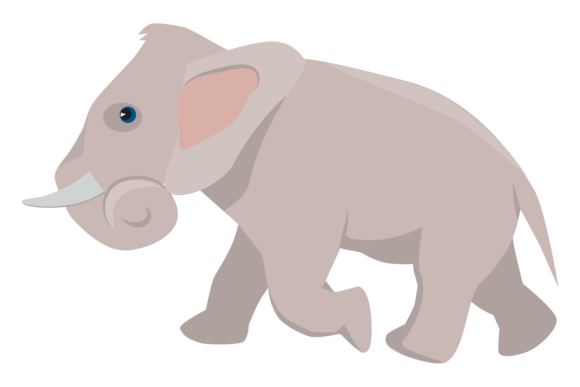
Elephant Icon: A Charming Design Asset for Modern Brands
Visual Characteristics and Distinctive Appeal
The Elephant Icon design asset immediately captures attention through its masterful blend of whimsy and sophistication. This isn't a simplistic cartoon elephant; it's a carefully crafted illustration that balances cute zoo animal charm with the gravitas of wild fauna. The visual style typically features clean lines, thoughtful proportions, and a friendly expression that avoids being childish. The elephant is often rendered with subtle details—perhaps textured skin suggested through minimal shading, or playful elements like a slightly curved trunk that conveys personality. The overall aesthetic sits in a sweet spot between modern flat design and handcrafted illustration, making it versatile enough for various applications without losing its unique character.
What makes this particular elephant icon stand out in the crowded design asset marketplace is its ability to convey multiple messages simultaneously. It communicates approachability and warmth—essential for brands wanting to connect emotionally with audiences—while also suggesting strength, wisdom, and reliability. The design manages to feel contemporary without being trendy, meaning it won't look dated in a year or two. Whether used in a single color or with a limited palette, the elephant maintains its visual impact across different sizes and contexts, a crucial quality for any professional design element.
Strategic Applications Across Creative Projects
For logo design, the Elephant Icon offers remarkable versatility. A children's clothing brand might use the full-color version for playful packaging, while a financial consulting firm could employ a simplified monochrome version to symbolize strength and memory. The icon works beautifully as a standalone mark or as part of a more complex logo system. When incorporated into brand identity guidelines, it provides a consistent visual anchor that audiences can recognize across touchpoints—from business cards to website headers to social media profiles.
In editorial design and publishing, this elephant illustration adds visual interest without overwhelming text-heavy layouts. Imagine it as a chapter opener in a nature magazine, a decorative element in a children's book, or a subtle watermark on stationery. For web design, the SVG or transparent PNG versions integrate seamlessly into headers, footers, or section dividers, adding personality without affecting page load times significantly. Social media graphics benefit enormously from such distinctive visual elements; the elephant can become a recognizable part of a content creator's visual language, appearing in Instagram stories, Pinterest pins, or YouTube thumbnails to build brand recognition.
Packaging design presents another excellent application. The elephant's friendly demeanor makes products feel more approachable—perfect for organic foods, artisanal goods, or children's products. A craft brewery might use it as part of a label design, while a skincare company could feature it on packaging to suggest gentle, natural ingredients. The design works equally well on physical products and digital storefronts, maintaining its appeal whether printed on cardboard or displayed on a screen.
Practical Guidance for Effective Implementation
When selecting this elephant icon for your project, consider how its personality aligns with your brand voice. The design's charm lies in its balance—it's cute without being saccharine, wild without being intimidating. Test it at various sizes to ensure details remain clear, particularly if you plan to use it as a small favicon or social media avatar. The vector formats (EPS, SVG) allow infinite scaling without quality loss, making them ideal for projects requiring multiple size variations.
Font pairing deserves special attention when incorporating this elephant into typographic designs. Since the icon has a distinct personality, pair it with typefaces that complement rather than compete. A clean sans serif font like Helvetica or Futura works well for modern, minimalist applications, while a friendly script font could enhance the playful aspect for children's products. For more traditional applications, consider pairing with a serif font like Garamond or Baskerville to create an interesting contrast between contemporary illustration and classic typography. Always test your font pairing choices at actual size to ensure visual harmony and readability.
Licensing considerations are straightforward but important. The asset comes in multiple formats—EPS for vector editing software, JPG for quick use, SVG for web applications, and transparent PNG for layering over other elements. Ensure you understand the commercial licensing terms before using the elephant in client work or products for sale. Most premium font and icon licenses allow for extensive commercial use, but it's always wise to verify specifics, especially for large-scale distribution or merchandise.
Finally, consider how the elephant icon might evolve with your brand. Its timeless design means it can grow with your business rather than requiring frequent updates. Use it consistently across all brand touchpoints to build recognition, but don't be afraid to adapt its color or context for different campaigns or seasons. The asset's flexibility allows for creative experimentation while maintaining the core visual identity that makes it special. Whether you're a designer creating a brand system, an entrepreneur building a visual identity, or a content creator developing a recognizable style, this elephant icon offers a charming, professional foundation that resonates with diverse audiences.