Cute Wolf Play Trumpet: A Charming Creative Font
More Than Just a Typeface: The Personality of a Musical Animal
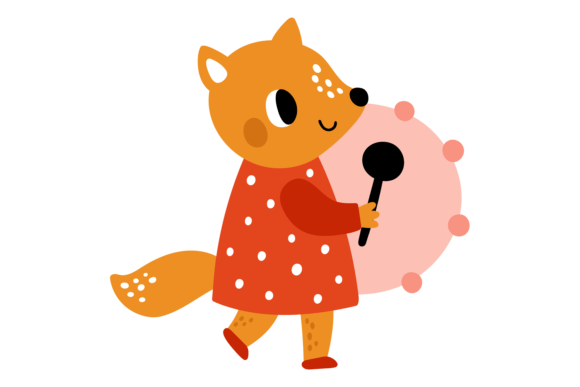
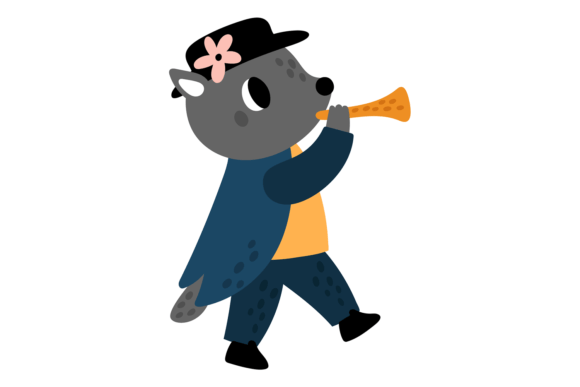
You know the feeling when you’re scrolling through a sea of design assets, looking for that one piece that doesn’t just sit there, but actually speaks? That’s where something like the Cute Wolf Play Trumpet. Animal Musician character finds its mark. At first glance, it’s a delightful illustration—a whimsical, cartoon-style wolf, isolated on a crisp white background, happily playing a trumpet. But for a creative professional, it’s a tool with a very specific and powerful voice. This isn't a standard serif font or a clean sans serif; it's a piece of character-driven art that injects immediate personality, narrative, and a touch of playful sophistication into a project.
The visual style is key. The wolf is rendered with friendly, rounded lines, avoiding any predatory sharpness. Its expression is one of pure joy and concentration, embodying the "animal musician" concept perfectly. The trumpet is detailed enough to be recognizable but stylized to match the cartoon aesthetic. This balance is crucial—it’s professional enough for commercial use yet charming enough for personal projects. The overall appeal lies in its ability to tell a micro-story. In a single glance, it communicates themes of creativity, rhythm, celebration, and whimsical expertise. For a designer, this is a premium font in the truest sense—it’s a ready-made mascot, a brand ambassador, and a visual hook all in one EPS or JPG file.
Strategic Applications: Where This Character Truly Plays
So, where does a musical wolf with a trumpet actually fit into a professional workflow? The applications are broader than you might initially think, especially when you move beyond literal interpretations. This creative font asset excels in contexts where you need to break the ice, build a relatable brand, or inject energy into a layout.
In logo design and brand identity, this character is a goldmine for businesses in music education, children’s entertainment, creative agencies, or even a quirky jazz café. It becomes the cornerstone of a visual identity, instantly setting a tone that is approachable, artistic, and memorable. Imagine it on a music school’s website header or as the emblem for a community band’s merchandise.
For editorial design and publishing, think beyond the obvious music magazine. A feature article on the science of happiness, a blog post about finding your passion, or a book cover for a children’s story about overcoming stage fright could all use this wolf as a captivating spot illustration. It draws the eye and reinforces the theme without a single word of copy.
In the digital realm, its value multiplies. As part of social media graphics, the wolf becomes a recurring character for a brand’s Instagram stories or Facebook posts, creating a consistent and engaging visual language. For web design, it can serve as a charming loading animation, a mascot in an explainer video, or a featured image that increases dwell time. The isolated white background makes it incredibly versatile for layering onto any color palette or design layout.
Even in packaging design and physical products, the character shines. Picture it on a line of artisanal hot sauces with a "jazzy" flavor, on stationery for creative professionals, or on a t-shirt for a local music festival. Its charm translates perfectly to print, making it a valuable asset for small business owners and crafters looking to add a unique, handcrafted feel to their goods.
Integrating the Asset: Practical Guidance for Maximum Impact
Adopting a character asset like Cute Wolf Play Trumpet requires a bit of strategic thinking to ensure it enhances rather than overwhelms your project. Start by evaluating the project’s core message. Does it align with themes of creativity, joy, performance, or playful professionalism? If the project demands serious corporate austerity or minimalist restraint, this might not be the right fit. But if there’s room for personality, it’s a powerful choice.
Next, consider the font pairing and overall typographic hierarchy. Since the wolf is a strong visual element, the accompanying typefaces should support it, not compete. A clean, modern sans serif font for body text often works best, providing legibility and letting the character stand out. For headlines, a complementary script font or a bold display font with a touch of personality can create a cohesive, dynamic look. The goal is a balanced conversation between the illustration and the typography.
Always test the asset in context. Place it on your actual layout—on the website mockup, the social media template, the product packaging. Does it scale well? Does its style clash with other design assets? Review the included file formats (EPS for scalability, JPG for quick use) and ensure you have the correct commercial licensing for your intended use, whether for a client project or your own small business merchandise.
Finally, think about consistency. If you use the wolf as a brand mascot, develop guidelines for its use. What backgrounds does it appear on? How much clear space does it need? Can it be used in animation? By treating it not just as a one-off image but as a core component of your visual hierarchy and brand story, you leverage its full potential. It becomes a tool for audience engagement, fostering recognition and a positive emotional connection that generic stock art simply can’t achieve.
In a landscape saturated with modern typography and sleek vectors, the Cute Wolf Play Trumpet. Animal Musician stands out by offering something fundamentally human: a story, a character, and a dose of unadulterated joy. For the designer, marketer, or entrepreneur, it’s a reminder that the most effective communication often has a heartbeat—and sometimes, that heartbeat comes with a brass soundtrack.